Baltimore Orioles During Covid


📍
Where Baltimore Orioles Live (By Season)
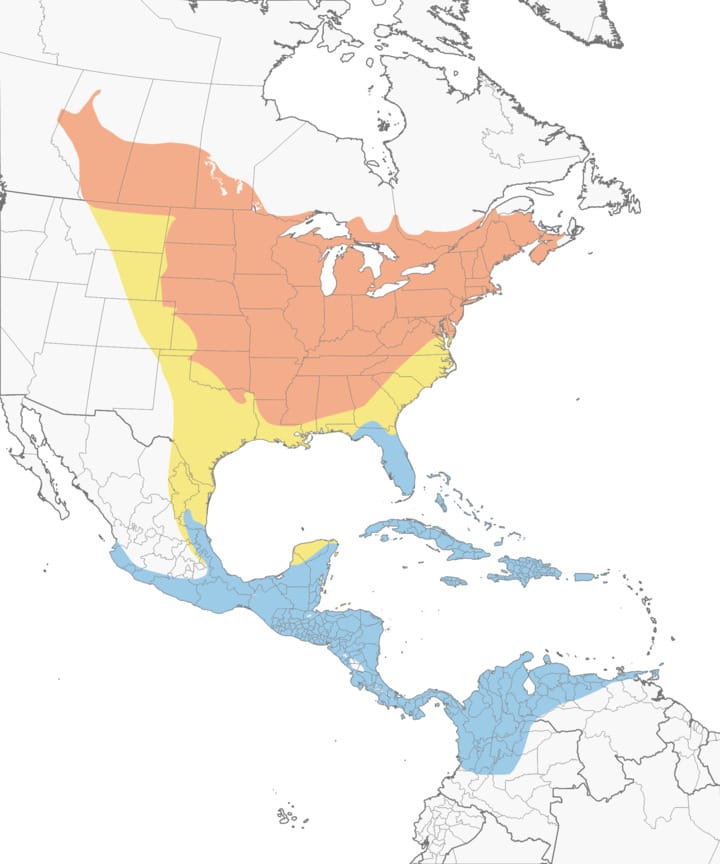
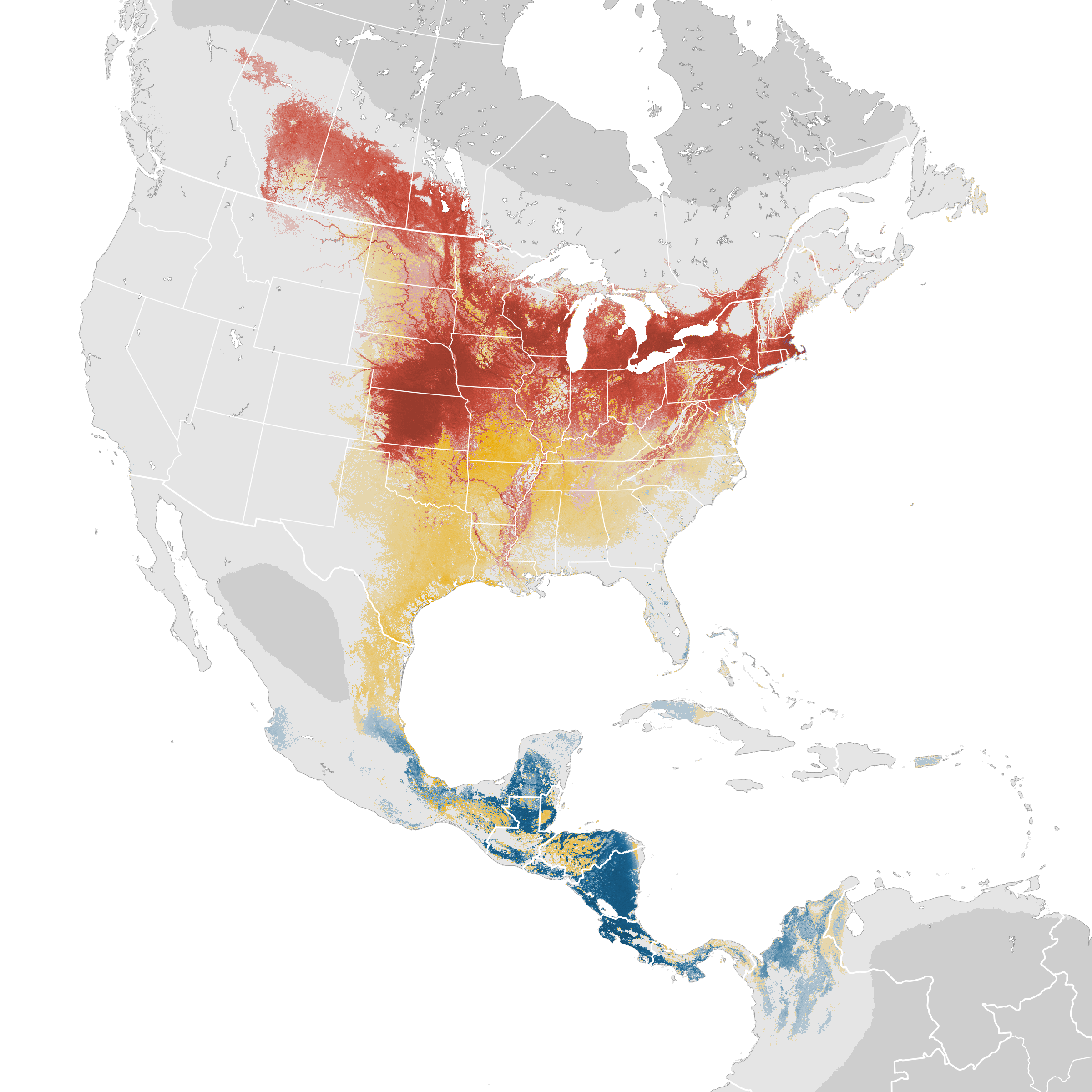
Breeding / Summer Range
In summer, Baltimore Orioles spread out across much of eastern and central North America. Think of it like a giant seasonal road trip north.
Specifically: from southern Canada—southern Ontario, Quebec, and even parts of southern Manitoba, Saskatchewan, and creeping into eastern Alberta and northeastern British Columbia—down through the U.S. East and central states. They’re in the Midwest, Great Plains (Nebraska, Kansas), the Northeast, the Southeast—basically, anywhere with the right mix of trees and insects.
They’re picky about habitat, though. Open deciduous woodlands, forest edges, riverbanks, orchards, city parks, and leafy suburban neighborhoods are prime. But deep, dense forest? Not their thing. They like some breathing room and a good view.
Migration
Spring is their cue: April–May, flocks start heading north, back to their breeding grounds. Late summer and early fall (July–August onward), they pack up and head south again. It’s the same routine year after year, like clockwork.
Winter Range
Most Baltimore Orioles spend the winter in warmer places: southern U.S., Mexico, the Caribbean, Central America, and sometimes as far as northern South America. They hang out in open woodlands, gardens, and plantations—shade-grown coffee or cacao is basically an oriole-approved Airbnb. A few hardy birds might stick around the southern U.S. if food and shelter are sufficient.
Why the Range Changes — Migration
Baltimore Orioles are “neotropical migrants.” That’s a fancy way of saying: “summer in the temperate north, winter in the warm south.” Migration lets them chow down on northern insects in summer and escape the northern cold in winter.
What This Means For You
This is a photo of the bird in Toronto near the lake at a park, in flight—blurry, but it’s a challenge to take any bird in flight.
If you live in eastern or central U.S. (or southern Canada), you’ll probably see Baltimore Orioles from spring through early fall—look in leafy woodlands, parks, older neighborhoods, or along rivers.
If you’re in Mexico, Central America, northern South America, or even the southern U.S., winter or migration season is your window.
They’re surprisingly adaptable, too. Orchards, suburban gardens, or any area with tall deciduous or shade trees will do, as long as there’s food and shelter.
Flight & Movement
-
The flight of Baltimore Orioles is described as strong and direct (i.e. not weak and fluttery) — good for migration and traveling between trees. Animal Diversity Web+2Oiseaux Birds+2
-
Observations show during “flap-and-glide” flight: roughly 2.1 strokes per second (though based on a limited sample) in one published observation. SORA
-
As for typical flight speed, some sources estimate Orioles can fly up to ≈ 30 miles per hour (≈ 48 km/h) when in direct flight. Learn Bird Watching+1
-
Their flight during day-to-day movement or foraging tends to be more gentle: often short bursts of flight between branches, hovering or flitting through foliage rather than long-distance fast flight. Wikipedia+2Life on CSG Pond+2
🌄 Behaviour & Life Cycle
-
Orioles are migratory — they travel between northern breeding grounds and southern wintering areas. Animal Diversity Web+2Long Point Land Trust+2
-
They are arboreal — spending much time in trees, foraging for insects, fruit, nectar among foliage and branches. Animal Diversity Web+2National Wildlife Federation+2
-
Their flight style — a mix of flapping and gliding — helps them travel efficiently during migration and while navigating tree cover. Animal Diversity Web+2Oiseaux Birds+2
✅ What This Means (for Observers like You)
-
When you see a Baltimore Oriole flying, it could be doing a strong, direct flight (especially if migrating or crossing open areas), or a short, agile flight between branches (if foraging).
-
Their speed — up to ~30 mph — means capturing them in flight (like in my photo) is hard, which makes this shot more impressive.
-
Their light weight, slender body, and direct flight style give them good maneuverability among trees and foliage.


Comments
Post a Comment